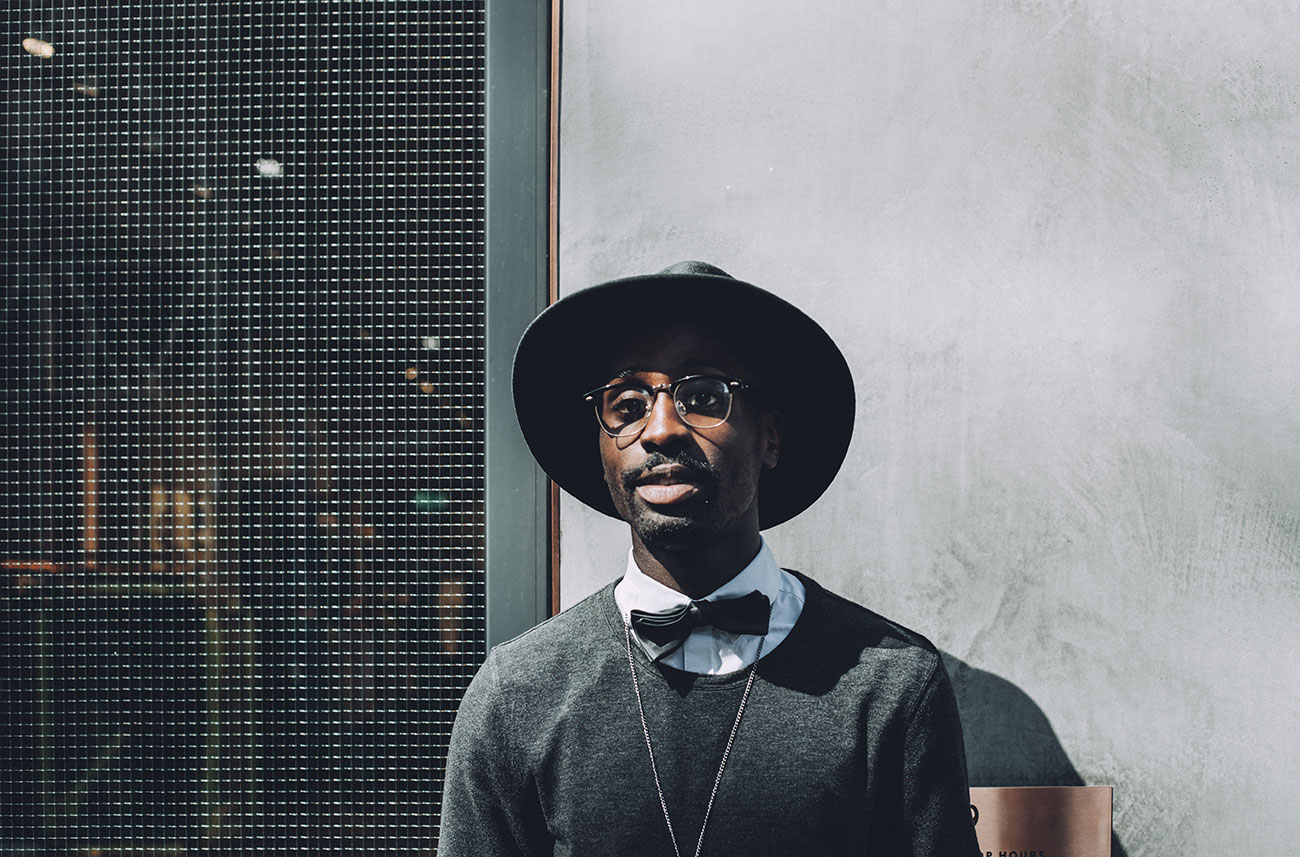
UX Designer


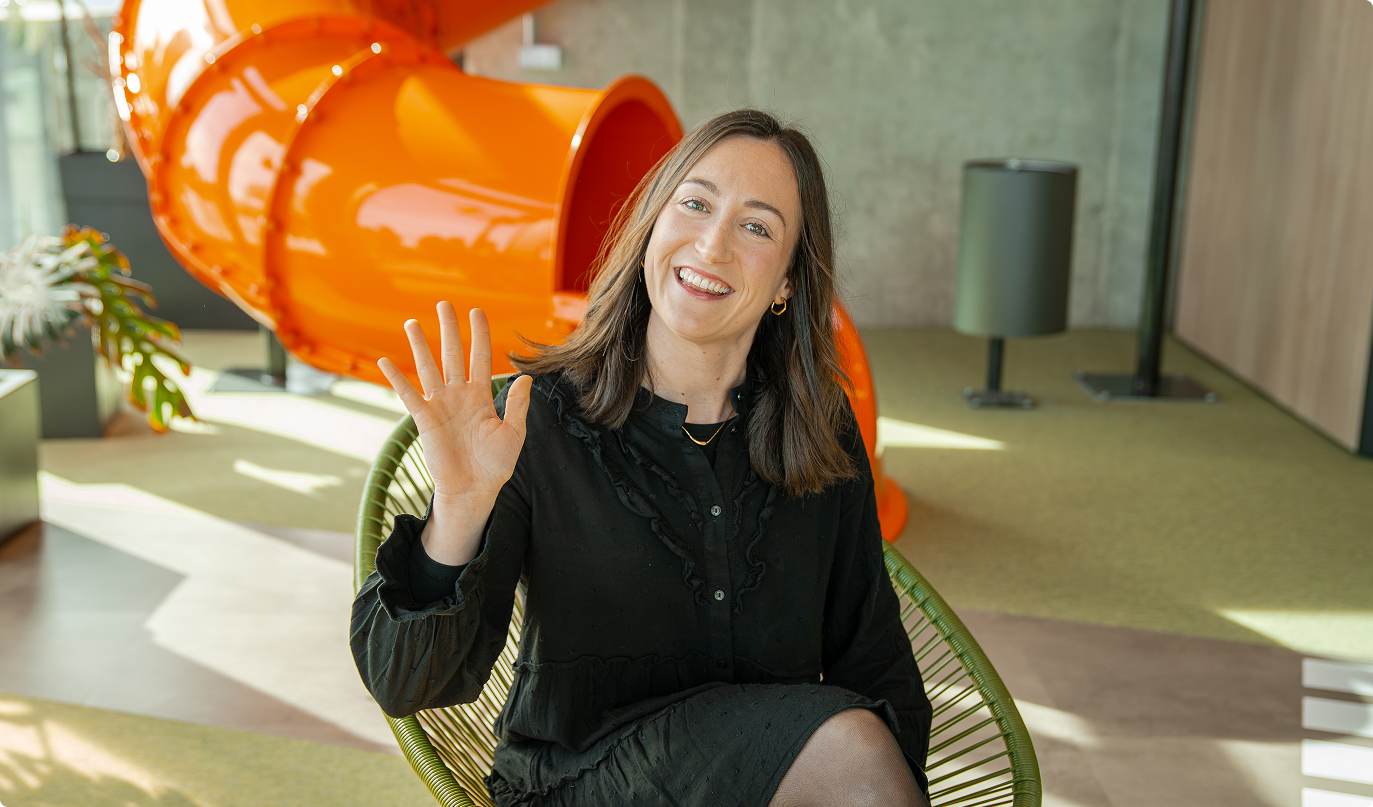
Product Designer
Barcelona
[cat] [esp] [eng]
What truly motivates me is designing experiences that people actually use and value. At SEAT CODE, we don’t design in isolation — we design for real users interacting with real products in complex ecosystems.
Working at the intersection of technology, brand and business means every decision has impact. That responsibility drives me. We are not just shaping interfaces; we are shaping relationships between people and mobility.
For me, design is about clarity and intention.
Clarity in understanding the problem space before jumping into solutions.
Intention in every interaction we create — nothing should be decorative or accidental.
I strongly believe in systems thinking. Digital products don’t live as standalone artifacts; they exist within journeys, services, organisations and infrastructures. Good design anticipates complexity but delivers simplicity.
Mobility is emotional.
A car is not just a product — it’s freedom, identity, independence. When we design digital touchpoints around vehicles, we’re designing extensions of that emotional bond.
What makes it challenging is the ecosystem: in-car systems, mobile apps, connected services, backend platforms. Everything must feel coherent. That’s where holistic experience design becomes critical.
I always start with alignment.
Before screens, before flows — we align on:
From there, I like to balance divergence and convergence. Explore widely, validate early, then focus and refine. I’m a strong believer in iterative prototyping and real user feedback — not assumptions.
Complexity doesn’t scare me. Lack of clarity does.
Design is a team sport.
At SEAT CODE, collaboration is constant — product managers, engineers, researchers, data specialists. The best ideas usually emerge in conversation, not in isolation.
I try to create environments where people feel safe to challenge ideas. Constructive tension improves outcomes.
I’m proud of helping build experiences that scale — not just MVPs, but systems that grow.
Seeing a product evolve from early sketches to something thousands of users rely on daily is incredibly rewarding. Especially when you know the design decisions were rooted in research and intention.
Curiosity.
I observe how people interact with everyday products — apps, public transport systems, physical spaces. Inspiration often comes from outside the automotive or digital world.
And Barcelona helps. It’s a city that blends design, culture and movement in a very natural way.
Be curious. Be collaborative. Be comfortable with ambiguity.
We work on complex, evolving products. There’s no rigid script. If you enjoy solving meaningful problems with talented people, this is the place to grow.
I see a shift from reactive interfaces to intelligent ecosystems.
Experiences will become more contextual, predictive and seamless across devices. The real challenge won’t be adding features — it will be orchestrating simplicity across complexity.
Design will move from screen-based thinking to system-based thinking.
Intentional.
Because great experiences don’t happen by accident.
Ready to make an impact?